What Is Ice Damming and How Do You Prevent It?
A ceiling stain can appear on a sunny afternoon, days after the last snowfall. No rain is falling, yet melting snow has found a way through the roof. Often, the cause is an ice dam roof problem, which follows a pattern you can prevent.
One heavy Virginia snowstorm followed by a few frigid nights is enough to set it off. Its causes sit in predictable places, from the attic floor to the lowest shingles. Once you see how the ice forms, the warning signs and fixes make sense.
An Ice Dam Roof Problem Begins With Uneven Temperatures
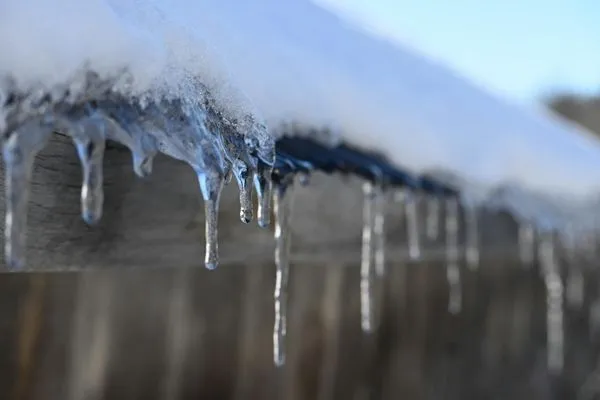
An ice dam is a ridge of ice along a roof’s lower edge that blocks melting snow. Attic heat warms the upper roof while the overhang stays cold, so prevention means containing that heat. Following one snowfall shows why the ridge grows a little taller after every thaw.
Inside the Melt-and-Refreeze Loop on a Snowy Roof
Warm house air drifts up through ceiling gaps, light fixtures, and attic hatches. Up there, it seeps into the roof deck, the wood under your shingles, and melts snow from below. Meltwater runs downhill beneath the snow, even when the outdoor air stays below freezing.
At the eaves, where the roof hangs past your walls, the water hits cold air and freezes. Each fresh melt pools behind that ice and partly refreezes overnight, building the dam higher. Gutters often take the blame, yet ice dams form on gutter-free homes because attic heat drives them.
Where Water Behind an Ice Dam Roof Ends Up
Shingles overlap like fish scales, shedding moving water well but not water that sits still. Standing water backs up under those layers and slips through nail holes below. From there, it soaks attic insulation, which stays soggy long after the ice melts.
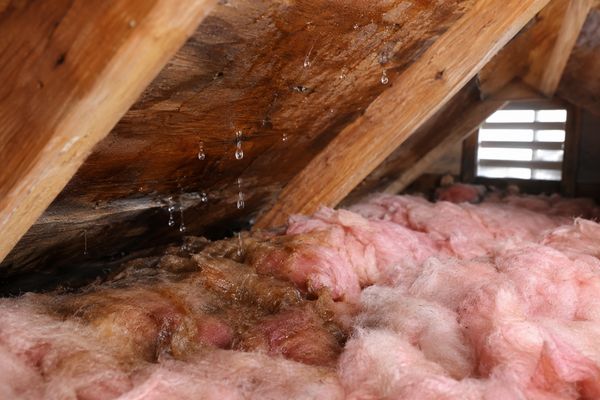
Wet insulation holds back far less heat, so the next storm meets a warmer attic. Water can also slide down inside exterior walls, wetting framing and drywall out of sight. Over time, that hidden moisture feeds mold and weakens the wood supporting your roof.
Painting over a ceiling stain only hides the evidence and traps wet materials inside. A lasting repair dries the attic and seals the entry point before any ceiling touch-up. Otherwise, the stain tends to return as soon as the next snowfall starts melting.
The Warning Signs, From Gutter Line to Ceiling
Ice dams seldom announce themselves with a sudden leak, and the first clues are easy to miss. Look a day or two after a snowfall, once the snow has melted and refrozen. The signs below run from early to advanced stages of an ice dam roof problem.
What You Notice | What It Suggests |
|---|---|
Frost on attic nails or roof boards | Warm house air is reaching a cold roof |
Long icicles over one roof section | Heat is leaking into the attic above that spot |
Ice on the soffits under the overhang | Meltwater has passed the shingles and refrozen |
Stains or peeling paint on outside walls | Water is running down inside the wall |
Soft or discolored spots high on an interior wall | Water has reached the wall framing |
Wall stains or icy soffits mean water is already inside, so call a roofer right away. Attic frost or icicles alone give you time to plan, though both point to warmth reaching the attic.
Stop Attic Heat Before It Reaches the Snow
Prevention works on two fronts: keeping warmth out of the attic and waterproofing the overhang. A cold attic lets snow melt mainly from sunshine, so much less water refreezes at the eaves. One fix tackles the heat itself, while a membrane catches whatever water still gets underneath.
Attic Fixes That Keep an Ice Dam Off Your Roof
Air sealing comes first, using foam and caulk to close openings where house air rises into the attic. Plenty of insulation on the attic floor then slows heat passing through your ceiling drywall. Many older homes fall short of current code, and a quick depth check tells you where yours stands.
Soffit and ridge vents complete the job by pulling cold outdoor air beneath the roof sheathing. Blocked vents let warmth linger, and a roofer can confirm air flows from soffit to ridge.
The Membrane That Guards Your Eaves
Ice and water shield is a rubbery membrane roofers lay under the shingles along the eaves. It grips each nail tightly, so backed-up water can’t seep through the holes. Some Virginia localities require it during roof installation, and replacement day is the time to ask.
Safe Ways to Handle an Ice Dam Roof This Season
From the ground, a long-handled roof rake clears the lowest few feet, starving the dam of water. To open a drainage path, use the rake to nudge a calcium chloride-filled stocking across the dam. Skip rock salt, hammers, and heat guns, which can damage shingles, kill plants, or start a fire.
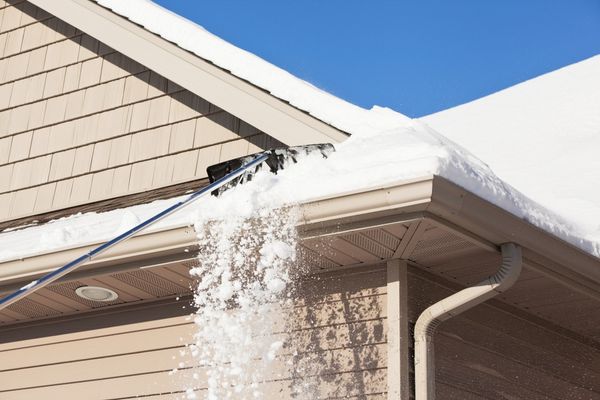
If water reaches a room, a roofer can steam a channel through the ice safely. Heat cables keep one trouble spot draining, though they raise power bills and leave heat loss untouched. Their placement along the eaves and gutters affects results, which makes professional advice worth getting first.
Find the Heat Leak Behind Your Ice Dam Roof
Tracking down that warm spot keeps this winter’s ice dam from turning into a yearly repeat. ModernEdge checks your vents, eaves, and shingles for the weak points that let meltwater inside. We’ll also flag signs of attic heat loss, pointing your money toward the fixes that help most.
A dry spell between storms gives the crew clear, safe access to every part of the roof. Your free estimate ranks each repair by urgency, so nothing important waits too long. Contact our office at (540) 660-2920 and ask us to trace the source of your ice dams.
