5 Signs Your Roof Needs Replacing Before Winter
Another repair bill can leave you wondering how many more fixes your roof will need. A roof tune up can address individual problems when the surrounding roofing materials remain in good shape. You deserve to know whether the proposed work protects that roof or postpones a larger project.
Fall gives Culpeper homeowners time to investigate changes in the roof and plan any larger work before winter arrives. You may notice a lifted shingle edge or a new ceiling stain, but appearances do not reveal the whole problem. Have the roofer explain what caused the damage and how far it extends before you agree to replacement.
Roof Condition Sets the Scope of Repairs
Ask what a roof tune up includes, since contractors use the term for different maintenance and repair tasks. Small repairs might replace damaged shingles or flashing, the metal that directs water away from roof joints. Before you invest in more repairs, see what these five signs could mean for your roof.
1. Cracks and Curled Edges Appear Across Several Roof Sections
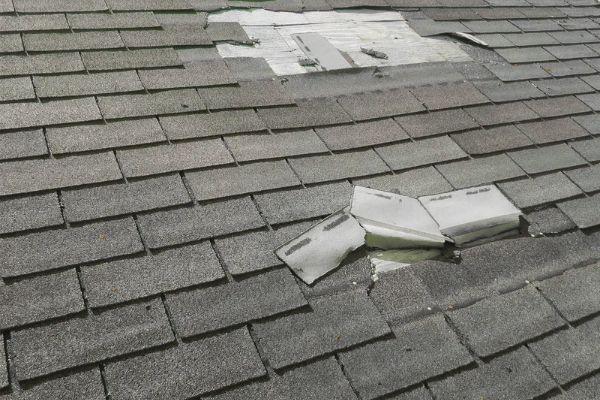
Shingles that once lay flat may develop raised corners, curled edges, or cracks through their surface. From ground level, you might notice uneven rows or sections that look distorted compared with the rest. Leave closer checks to a roofer, who can document the affected sections without asking you to climb.
The pattern matters because storm damage to one area differs from cracking that appears throughout the roof. A roof tune up may suit localized damage, while extensive deterioration can make replacement worth considering. Ask to see photos of the problem areas and the nearby shingles that would remain after spot repairs.
2. Widespread Granule Loss Leaves Bare Patches on the Shingles
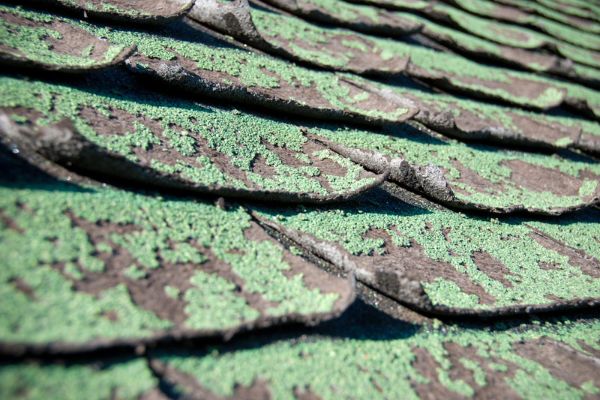
Granules form the gritty coating on asphalt shingles and help protect the material underneath from ultraviolet light. Some shedding is normal, but broad bare patches leave the asphalt exposed and deserve a closer look.
During a roof tune up, ask your roofer to distinguish lost granules from algae staining or other discoloration. Extensive coating loss may call for new shingles; sealing a joint does not renew their protective surface.
3. Leaks Return After a Roof Tune Up or Appear in New Rooms
A new or spreading ceiling stain after a repair suggests moisture is still reaching the interior. The original leak may remain unresolved, or water may enter through an area the previous repair did not cover. Stains in other rooms do not necessarily mean separate roof leaks, since attic condensation can also leave damp patches.
Tell the roofer what the last repair covered and when moisture reappeared, especially if it follows particular storms. Your next roof tune up should target the cause, such as damaged flashing around a vent. If the inspection finds several leaks, ask whether the proposed repairs or replacement will address all of them.
4. A Sagging Roofline Takes Priority Over a Roof Tune Up
A new dip along the roofline deserves prompt professional attention, even if the shingles above it look intact. Before a roof tune up proceeds as routine maintenance, a qualified professional needs to check what is causing the sag.
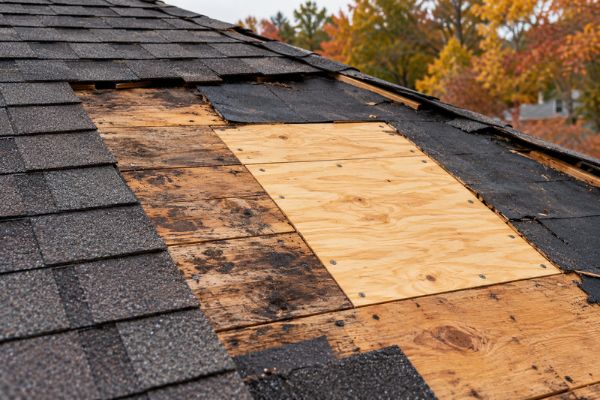
The roof deck is the wood surface beneath the roofing materials, and framing supports it. Moisture can weaken that wood, so the assessment must look beyond the condition of the shingles.
Your contractor may need to remove roofing materials to reach damaged decking and determine how much wood requires replacement. Any problems with the framing also need evaluation, since new shingles alone cannot correct weakened supports.
5. An Aging Roof Develops New Defects Between Inspections
An older roof deserves closer attention when recent inspections show new deterioration in previously sound areas. The change gives you more context than age alone, since roofing materials wear at different rates. Bring available records to your roof tune up discussion so the roofer can compare past and present findings.
The original installation invoice or a record of when the roof was replaced.
The shingle brand and product information, if available.
Previous inspection reports and photos that document the roof’s condition.
Check whether an invoice dates the original roof or only a later repair to one part of it. Previous reports and photos may reveal how quickly new defects have appeared since the last assessment. Compare another repair’s expected benefit with replacement when new problems keep appearing in the aging materials.
Settle the Roof Tune Up or Replacement Question Before Winter
Bring your inspection photos and repair history to ModernEdge so we can discuss the options for your home. A roof tune up proposal should identify the defects it addresses and any problems that require separate work. For replacement, ask how the estimate accounts for damaged wood that may become visible after the old shingles come off.
Cold weather can require extra care with shingle handling and sealing, so timing affects how crews carry out the work. Confirm the manufacturer’s installation requirements and the expected schedule, including any repairs needed while you wait. Request an assessment from our roofing specialists at (540) 660-2920 before you commit to another roof repair.
