Is Your Roof Ready for a Hard Virginia Winter?
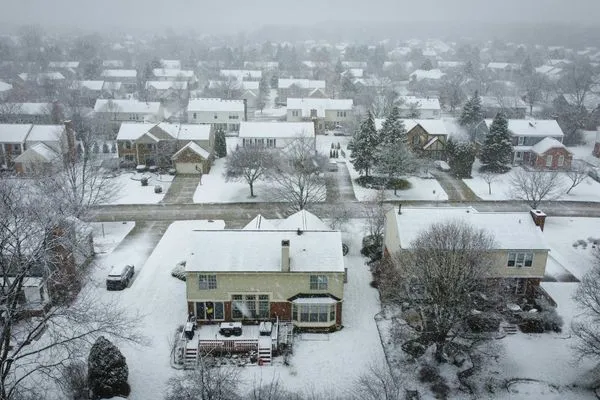
One week of Virginia winter can bring sleet, a sunny thaw, and a hard freeze, all on the same roof. Each swing puts quiet pressure on shingles and the tiny openings scattered between them. A little winter roof maintenance now helps you catch weak spots while they are still quick to fix.
You don’t need to climb a ladder or guess at what’s happening on the roof above you. Several useful checks happen from the ground or the attic, and a roofer handles the rest. Knowing where winter damage starts shows you which areas need attention first and which can wait.
Winter Roof Maintenance Starts With a Simple Checkup
A sound roof can ride out the cold months with an inspection and some light upkeep. Trouble often begins where water can sneak in, like a loose shingle or a gap in chimney flashing. Winter’s back-and-forth temperatures explain why those entry points are worth a look before the season settles in.
How Virginia’s Freeze-Thaw Swings Wear Down a Roof
During a freeze-thaw cycle, temperatures rise above freezing in daylight and fall below it after dark. Here in Virginia, nearly 60% of winter days are above freezing, so icy nights keep giving way to thaws.
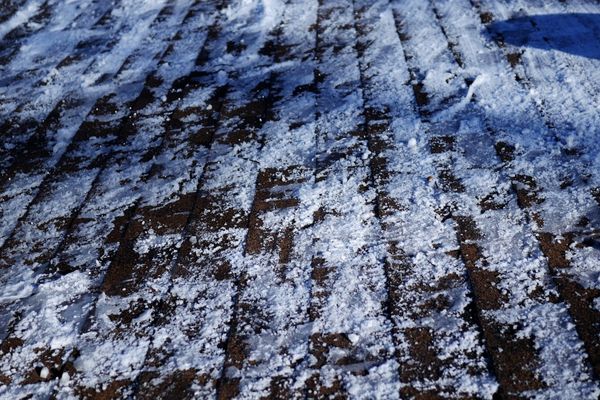
Water expands as it freezes, prying apart cracks and seams until they become paths for rainwater. As a result, joints around chimneys, vents, and roof edges are typically the first places to fail.
Clearing What Holds Water Against Your Roof
Leaves and pine needles collect in the valleys, where two roof slopes meet and channel runoff. Once a pile builds, it acts like a dam that holds water on the roof after rain. Wet debris also keeps that area damp for days, which invites moss and shortens shingle life.
Overhanging branches keep refilling those valleys and, in strong wind, scrape the coating off nearby shingles. Heavy ice can snap weakened limbs, so a tree service trim now protects your roof and gutters. With clean valleys, trimmed limbs, and clear gutters, winter roof maintenance can focus on repairs.
Checks You Can Handle Without a Ladder
A pair of binoculars and a slow walk around your house reveal more than most homeowners expect. Pick a clear, dry day so you can see shingle edges and metal details without glare or shadows. Then work through this list and jot down anything that looks different from last year.
Look for shingles that are missing, cracked, or sitting out of line with the rows around them.
Scan the chimney and roof vents for rust streaks or joints that look loose or separated.
Shine a flashlight along the underside of your roof from the attic to spot damp wood or daylight.
Watch for new stains on ceilings or upper walls, since water often travels before it shows up indoors.
Find the date of your last professional inspection, because years without one let gradual wear go unnoticed.
Snap a photo of anything that seems off, ideally from the same spot each time. A few labeled pictures turn the next service call into a focused conversation instead of a general one.
What a Professional Winter Roof Maintenance Visit Covers
From up top, a roofing pro can see the details your binoculars only hint at. The work usually centers on three areas that take the brunt of ice and runoff. Expect a straightforward explanation of each issue, including the fix and how soon it should happen.
Flashing Around Chimneys and Walls
Flashing is the thin metal sealing the joint where your roof meets a chimney or exterior wall. A careful check confirms each piece lies tight against the masonry or siding without lifted corners. Your roofer can refasten loose pieces, while rusted or bent sections may need replacing before ice forces them open.
Pipe Boots and Roof Vents
Plumbing vent pipes pass through the roof inside a rubber collar called a pipe boot. Sun and cold harden that rubber, and a split boot lets water trickle down the pipe into your attic. Roof vents deserve the same scrutiny for cracked housings and gaps around their base.
Nail Heads Along the Eaves
Ice tends to build first along the eaves, the lower edges of your roof where runoff gathers. Along this stretch, a roofer looks for raised nail heads and edge shingles that have started to lift. Sealing nail heads and fastening lifted edges now gives meltwater fewer ways to slip under the roof later.
Keeping Watch Once Winter Weather Arrives
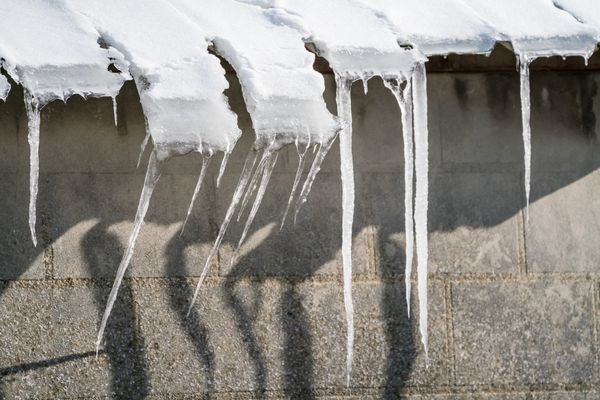
Whenever a cold snap or windstorm passes, step outside and look for shingles or gutters knocked out of place. Thick icicles along the roof edge can signal an ice dam, a frozen ridge that traps melting snow. Note where they form, since that helps a roofer pinpoint the cause, such as escaping attic heat.
If water drips into a room, protect your belongings and call for repairs, even for minor leaks. Many repairs can still happen on mild winter days, though a snow-covered roof must thaw and dry first.
Please stay off the roof yourself, especially when frost or ice leaves the shingles slick underfoot. Raking snow or chipping ice from a ladder can injure you and damage the roof. Hands-on winter roof maintenance belongs with a professional who has the right gear and footing.
Plan Your Winter Roof Maintenance With ModernEdge
Winter is easier on a roof that enters the season with tight joints and open drainage. ModernEdge specialists walk your roof, show you what they find, and lay out your options. If you noted any concerns from the yard, share them, and we’ll start with those areas.
An early booking gives you more choice of dates and a better chance at workable weather. Every estimate is free, and a real person answers the phone with honest, plain-spoken advice. Reach out to our team at (540) 660-2920 to put your winter repairs on the calendar.
