How Often Should You Get Your Roof Inspected?
An inspection date is easy to lose track of when your roof has given you little trouble. For many homes, roof assessments once a year provide a reasonable baseline for professional attention. The appropriate interval depends on the materials, current condition, and any earlier inspection recommendations for that roof.
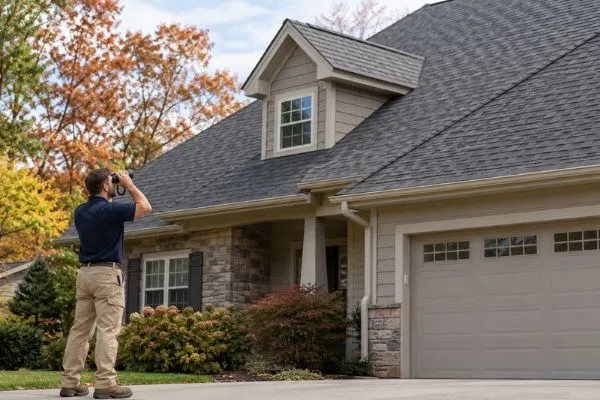
In Culpeper, spring and fall are useful reminders to look for visible changes from a safe ground-level position. A shingle on the lawn or a piece of loose roof trim gives you something specific to report. These observations help you notice changes between professional visits, while closer checks belong with a qualified roofer.
An Inspection and an Estimate Answer Different Questions
An estimate explains the cost of proposed work, while roof assessments document condition and highlight maintenance needs. A visit focused on one repair may cover fewer areas than a full review of the roofing system. What can a yearly inspection tell you about how soon a roofer should return?
Annual Roof Assessments Are a Practical Starting Point
An annual appointment creates a regular opportunity to examine accessible roofing materials and the details around roof openings. During roof assessments, the roofer checks flashing, the metal pieces that guide water away from joints around chimneys and vents. Weathered joints may need attention even when the surrounding roof covering still looks intact from the street.
A spring appointment can document the roof’s condition after winter and leave time to address maintenance before summer. The month you choose should also account for care guidance from the roofing manufacturer or original installer. Any repair identified during the visit needs its own timeframe, separate from the date of the next routine inspection.
Wear and Exposure Can Shorten the Inspection Interval
If a previous inspection flagged an area for monitoring, the follow-up should establish what has changed there. The frequency of roof assessments should follow that concern, with active defects repaired instead of simply watched.
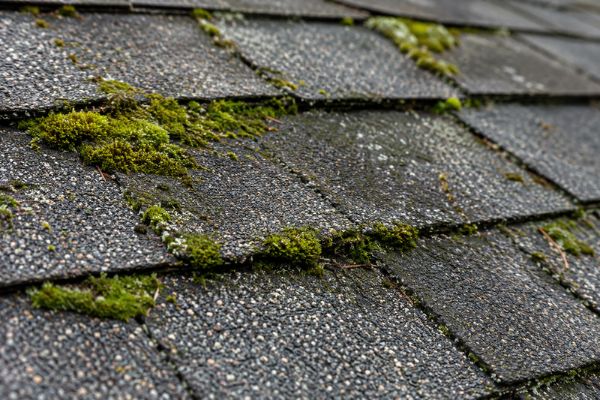
On a heavily shaded slope, recurring moss can signal conditions that keep the surface damp for longer. A check after treatment and wetter weather can show whether moss has returned and whether closer monitoring remains useful.
An Inspection Report Should Explain Its Limits
A report should tie each finding to a location, with photos that help you recognize the area. The value of roof assessments depends partly on which areas the inspector can actually examine during the visit.
Snow-covered shingles and an attic crowded with stored belongings can prevent a complete view of the relevant areas. The report should make those restrictions explicit and include the following information alongside the findings.
Roof sections and accessible interior areas examined, with photos linked to each location under review.
Areas the inspector could not assess, the reason for limited access, and any conclusions that remain uncertain.
Any return visit needed to complete the inspection, with the access conditions and outstanding questions recorded.
Even with full access, a visual inspection cannot confirm the condition of every layer beneath the shingles. If evidence suggests hidden damage, the report should explain the concern and the further investigation needed to confirm it.
Hail or High Winds Can Override the Usual Schedule
Hail impacts and strong winds can alter the roof between routine appointments, regardless of its condition at the last visit. Post-storm roof assessments address those potential changes, including damage that may be difficult to judge from the ground.
Details about hail at your property, displaced roofing, or debris impacts help the contractor understand what the visit should cover. An active leak calls for prompt help, while the crew must wait for safe conditions before accessing the roof.
Roof Assessments Establish a Baseline When the History Is Missing
If you recently moved in, start with the roof observations and recommendations in your home inspection paperwork. Check the inspection date and whether the report recommends specialist attention or leaves parts of the roof unexamined. Those notes can help establish whether roof assessments are due now or whether a recent review already provides a baseline.

When no dependable record exists, an initial inspection provides a date and documented condition for your own maintenance plan. With no concerns requiring earlier attention, you can usually plan the next routine visit for about a year later. A recommendation to investigate attic moisture needs its own follow-up, even if the report itself is recent.
Make Roof Assessments Part of Your Home Maintenance Calendar
After the inspection, note the recommended month and year for your next routine visit on your maintenance calendar. We use roof assessments at ModernEdge to discuss the roof’s condition with Culpeper homeowners and explain any maintenance needs. Formal inspections include detailed photographs and carry a fee, which we confirm when you arrange the appointment.
Set the reminder ahead of the recommended month so you have time to arrange the visit around your availability. Include a separate note for any outstanding follow-up, especially if it depends on weather clearing or access improving. Book a roof inspection at (540) 660-2920 so our local crew can recommend when to schedule the next one.
