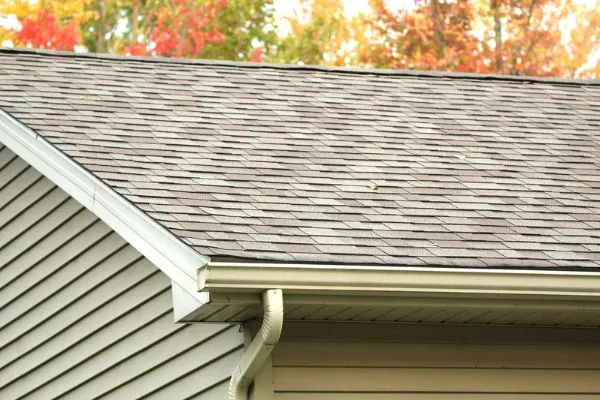
Before the First Frost: Roof, Siding, and Gutter Repairs to Finish While It's Still Warm
An overnight frost advisory can arrive while the afternoon still feels warm enough for work outside. Getting winter ready means using those mild days for exterior repairs that become more complicated as temperatures drop. The forecast matters beyond the appointment itself, especially when replacement shingles or sealants need time to bond.
For your Culpeper home, the work may also involve damage beneath the surface or parts that require ordering. An early estimate gives you time to understand the scope and consider the contractor’s proposed schedule. Several small repairs may need separate weather windows, especially when crews must open one area to reach another.
The Repair Materials Set the Weather Requirements
Application instructions can depend on the temperature of the material or surface, as well as the surrounding air. Understanding those limits helps you get winter ready without treating the first frost as a universal repair deadline. Start with problems that need attention now, then consider which remaining repairs have a narrower weather window.
Which Repairs Cannot Wait While You Get Winter Ready?
An active leak or missing exterior section needs prompt attention because another rain can wet the materials underneath. Temporary protection may limit that exposure when the contractor cannot safely complete the permanent repair right away. Hanging siding or loose trim creates a separate safety concern, so keep people away until a professional secures it.
After the contractor addresses urgent problems, the remaining schedule can follow each repair’s material requirements and weather limits. Repairs that rely on adhesive need suitable conditions to bond, while a cosmetic color change can often wait. Your home can be winter ready while cosmetic work remains, provided the contractor confirms its exterior remains protected.
New Shingles Still Need to Seal After the Nails Go In
Nails hold replacement shingles in place, while an adhesive strip bonds overlapping pieces to help resist wind. Cool weather can delay that bond, and a shaded slope may receive less warmth than a sunny one. A shingle that lies flat can still be unsealed, so appearance alone cannot confirm the repair is complete.

In cooler weather, the manufacturer may call for hand sealing with approved roofing cement to bond the shingles. The roofer follows the shingle’s specified method for applying that cement, including any requirements for placement and quantity. Replacement shingles need both secure fastening and the required seal for the repaired area to be winter ready.
Coordinate Repairs Where the Roof Meets the Gutters
The fascia is the board behind the gutters, and it provides a mounting surface along the roof’s lower edge. Roof-edge metal helps direct rainwater toward the gutter, so both parts need attention when nearby wood requires repair.
Replace weakened fascia before reattaching gutter brackets, so crews can secure the fasteners into sound supporting wood.
Identify any roof-edge metal or adjoining trim that must come off to reach the damaged area.
Include necessary gutter removal and reattachment in the scope so the quote covers access and the finished installation.
A winter-ready repair restores solid gutter support and a drainage path that carries runoff clear of the fascia. If weather interrupts the sequence, any opened areas need temporary protection until the crew can finish the connections.
Winter-Ready Siding Repairs Require Care With Cold Vinyl
Cold vinyl can become brittle enough to chip during cutting, particularly when a siding repair requires shaped pieces around openings. During cold-weather work, slower cuts can reduce chipping, while careful fitting must also account for the panel’s temperature.
Panel spacing depends on installation temperature, so a cold-weather repair may require larger gaps than a warm-weather installation. For a winter-ready repair, those gaps allow later expansion while the trim continues to cover the panel ends.
What Does the Gutter Sealant Need After Application?
Old sealant, dirt, or loose material can prevent a fresh bead from bonding properly to the gutter joint. Preparation needs to suit the product, including its instructions for cleaning and whether it allows damp surfaces.
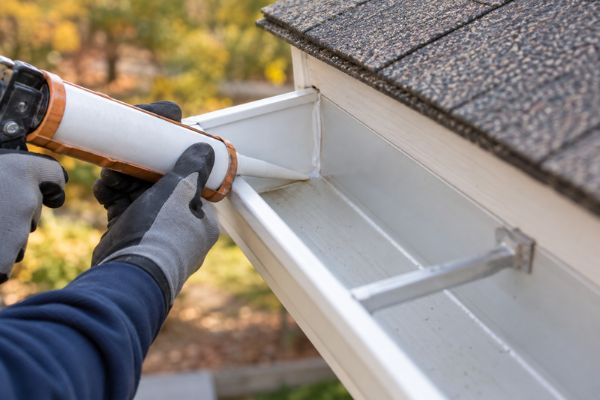
Curing is the process that develops the sealant’s lasting strength and flexibility, which can take several days. The surface may dry sooner, so a finished-looking bead does not tell you whether that process is complete.
Rain exposure has its own requirements, so a full curing period does not automatically mean a rain-free waiting period. Plan a winter-ready gutter repair around the product’s temperature and rain limits, including the forecast after application.
Bring Roof, Siding, and Gutters Into One Winter-Ready Plan
Write down the repairs you already know about, including any temporary measures that still need a permanent solution. At ModernEdge, we can review those items with you and outline the work your Culpeper home needs. The estimate should separate immediate work from later items and show how material availability affects the proposed schedule.
If work pauses, agree on who will check temporary protection and what must happen before permanent repairs resume. Outstanding repairs belong in your winter-ready plan until the contractor finishes them, even if temporary protection stops the leak. Arrange a free estimate at (540) 660-2920 to map out your remaining repairs before colder weather arrives.
