Frozen Downspouts: How Winter Water Backs Up Into Your Home
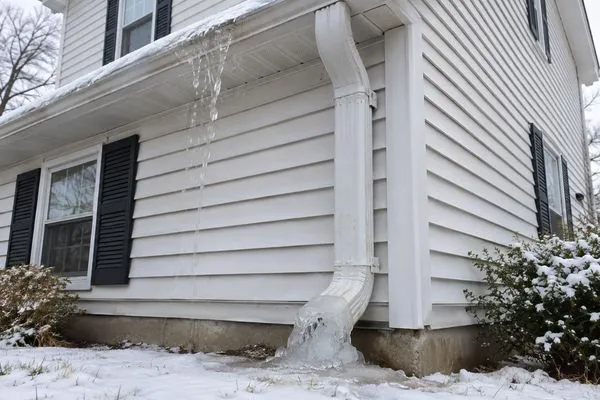
Water is spilling over the front of your gutter, even though the snow on the roof is barely melting. Down at the corner, the downspout’s exit sits bone dry, with a cap of ice where water should flow. Ice inside the pipe is usually to blame, and catching it early keeps downspout repair small and affordable.
In a Virginia winter, that ice can build for days before you notice anything wrong from the yard. With the opening sealed, every bit of melt from the roof has to go somewhere else. Trace that water’s path, and it’s easy to see why a small plug causes costly trouble.
Ice in the Downspout Means Water Has Nowhere to Go
When ice plugs a downspout, the gutter above fills with meltwater and starts to overflow. Water pours over the lip or slips behind the gutter, soaking the trim boards and running down your siding. Whatever reaches the ground then pools beside your foundation, where it can seep into a basement or crawl space.
Why Downspouts Freeze Before the Rest of the Gutter
Your downspout’s narrow pipe can close off with far less ice than the open trough above it. Elbows make it worse, since water slows at each bend and leaves a film that freezes overnight. Leftover leaves or shingle grit wedged in those bends give the ice something to grip and build on.
Location plays a part as well, especially for downspouts on the north side of the house. Shaded runs rarely get enough sun to melt, so ice from one storm lingers until the next one arrives. Snowbanks and refrozen splash puddles can also choke off the bottom end, even when the pipe above stays clear.
Downspouts that empty into buried drain lines face another risk, because standing water in the pipe can freeze underground. The cause behind your freeze-up decides whether downspout repair means a simple cleanout or a bigger change.
Overflowing Gutters Put Your Foundation and Fascia at Risk
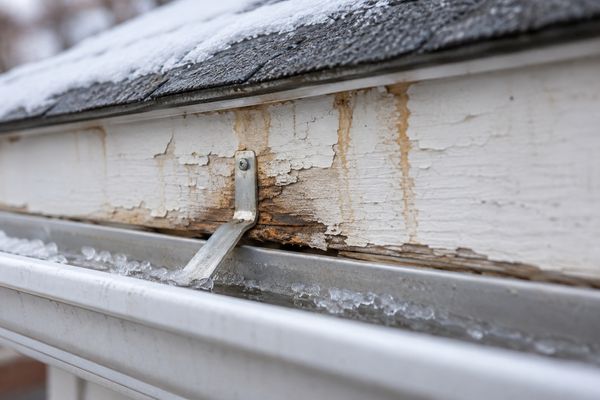
Fascia boards, the trim your gutters hang from, soften and rot after one soaking too many. Rotted wood loosens the hangers, and the added weight of ice in a full gutter can pull sections away. Left alone, that damage turns a quick downspout fix into new fascia and gutter sections.
Overflow that lands on sidewalks and driveways refreezes into thin, nearly invisible ice by nightfall. Saturated soil beside the foundation expands as it freezes, which can widen small cracks in concrete over a few winters. Landscaping takes a hit too, as runoff washes out mulch and leaves bare, muddy channels along the beds.
Bulges, Gaps, and Dry Outlets That Call for Downspout Repair
Packed solid with ice, a downspout takes outward pressure along every joint and fold in the metal. Damage often stays hidden until warmer weather, when water starts leaking from places it never used to. Walk your downspouts after a cold spell and look for these four warning signs.
Bulging metal or a hairline split along a seam means ice stretched the pipe past its limit.
Joints that have slipped apart at the elbows let water spray against the siding whenever snow melts.
Loose or missing straps allow the pipe to lean away from the wall under the weight of ice.
Nothing coming out at the bottom while the gutter stays full points to a blockage inside the pipe.
Keep track of which downspout shows each problem, because most homes have several and they rarely fail at once. Notes like these help a gutter pro separate damaged sections from ones that just need clearing.
Thawing a Frozen Downspout Without Breaking It
Begin at ground level by clearing snow and ice away from the bottom of the downspout and the splash area. An unblocked base gives meltwater a path out once afternoon sun starts softening the plug. For downspouts in full shade, patience and a few milder days often do more good than any tool.
Meanwhile, move stored boxes away from basement walls near the overflow and spread sand on any refrozen steps. Banging on the pipe with a hammer or mallet dents the metal and cracks connections that were fine before. If the ice sits high or a ladder would rest on frozen ground, leave the downspout repair to a pro.
Downspout Repair and Upgrades That Stop Next Winter’s Backup
Fixes usually start with the damage you spotted: replacing split sections, resealing joints, and adding fresh straps. Your contractor can also swap clog-prone elbows for gentler bends that let debris slide through.
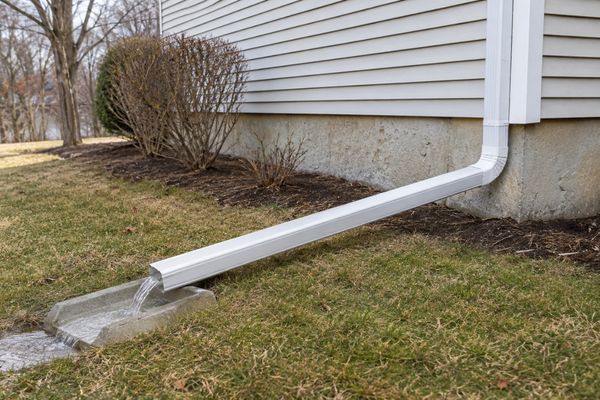
Where one downspout drains a large section of roof, upsizing from 2-by-3 to 3-by-4 inches gives ice more room. Extensions should carry water at least five feet from homes with crawl spaces and 10 from those with basements. Point them toward open lawn rather than paths, so winter runoff doesn’t refreeze where people walk.
In tight spaces, a splash block spreads the flow so it soaks in instead of pooling. Buried drain lines that freeze often need better slope or a pop-up emitter that lets standing water escape. Several of these upgrades can happen during the same visit as the repair itself.
Line Up Downspout Repair While Winter Is Still Young
Every freeze after a melt adds strain to a downspout that’s already cracked or clogged. ModernEdge provides gutter services for homes throughout Central Virginia, and downspouts are part of that work. You’ll get a free estimate covering repairs and any upgrades, priced clearly before work begins.
Handling the problem now means one planned visit instead of an urgent call after the next big storm. It also keeps meltwater moving away from your home rather than working its way inside. Give our gutter crew a ring at (540) 660-2920 and get every downspout flowing freely again.
